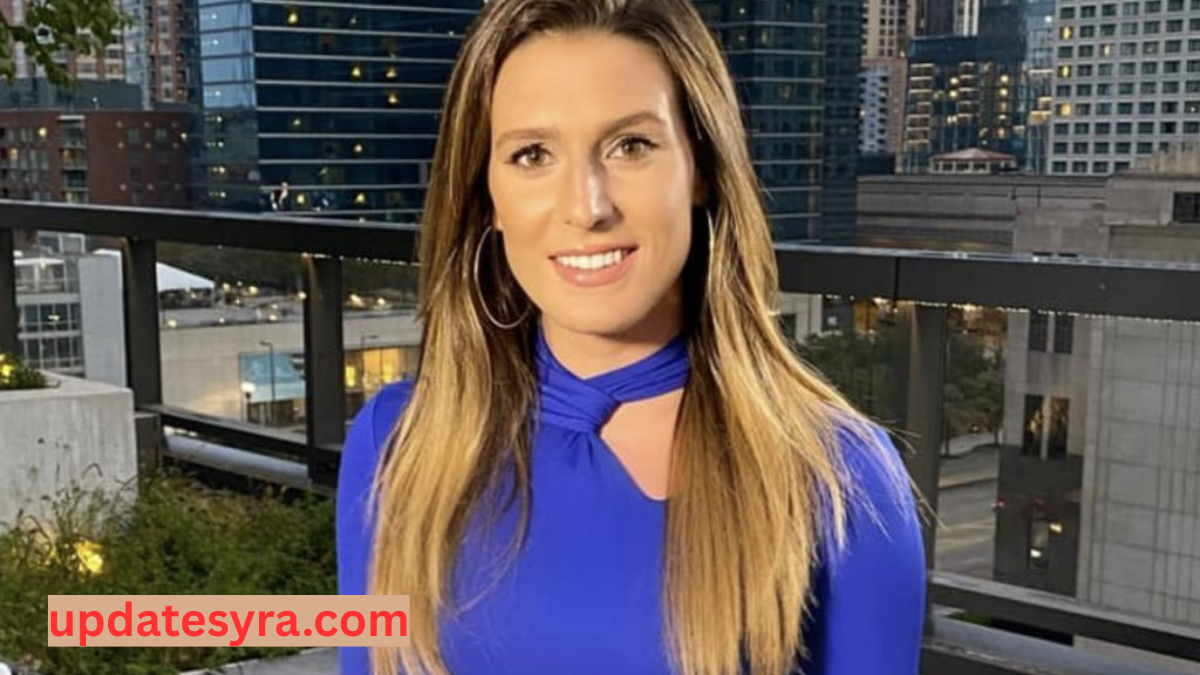
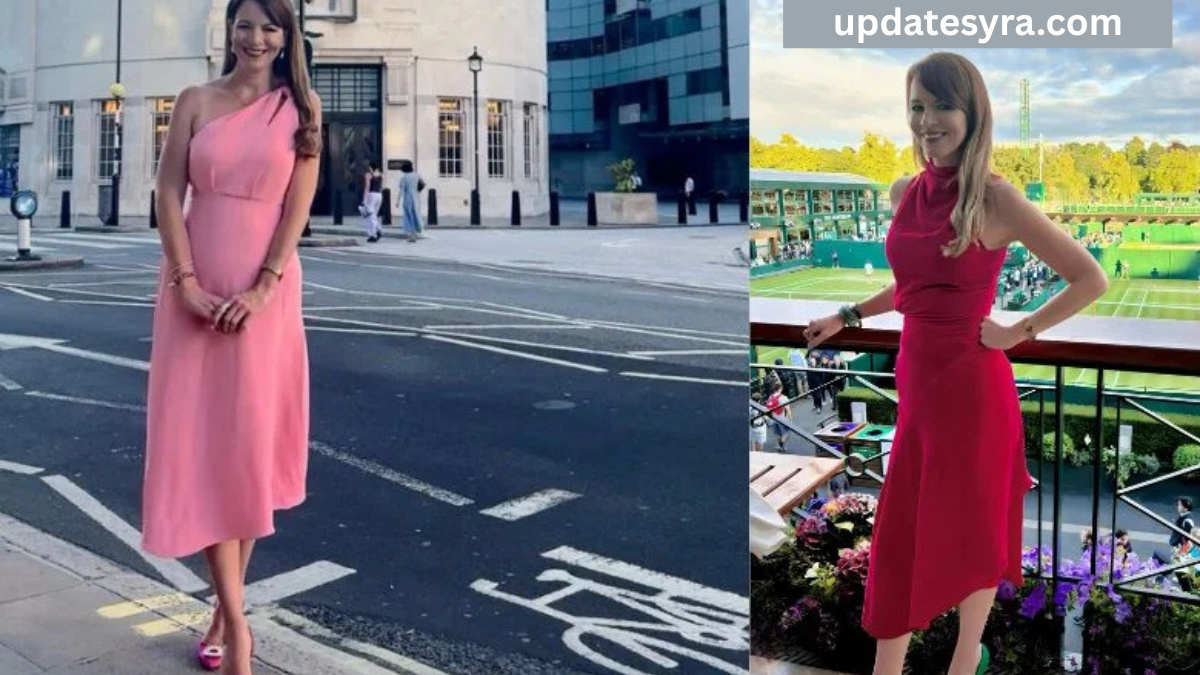
The search term “Elizabeth Rizzini disability” has gained noticeable traction online, prompting curiosity and confusion among viewers who recognize her from television weather broadcasts. Elizabeth Rizzini is a well-known BBC weather presenter, and like many public figures, she occasionally becomes the subject of online speculation regarding her personal life and health. However, much of this attention is driven by social media discussions rather than verified information.
In today’s digital environment, even a minor misunderstanding or an unverified post can quickly evolve into a widespread assumption. This is especially true for media personalities who appear regularly on screen. Viewers often feel familiar with them, which can lead to curiosity about their private lives, including health-related topics. Unfortunately, this curiosity sometimes results in misleading search trends that are not based on confirmed facts.
The purpose of this article is to clarify what is actually known about Elizabeth Rizzini, explain why such search terms emerge, and highlight the importance of relying on credible information. Rather than reinforcing rumors, the goal is to provide a responsible, well-rounded understanding of the topic while respecting privacy and professional integrity.
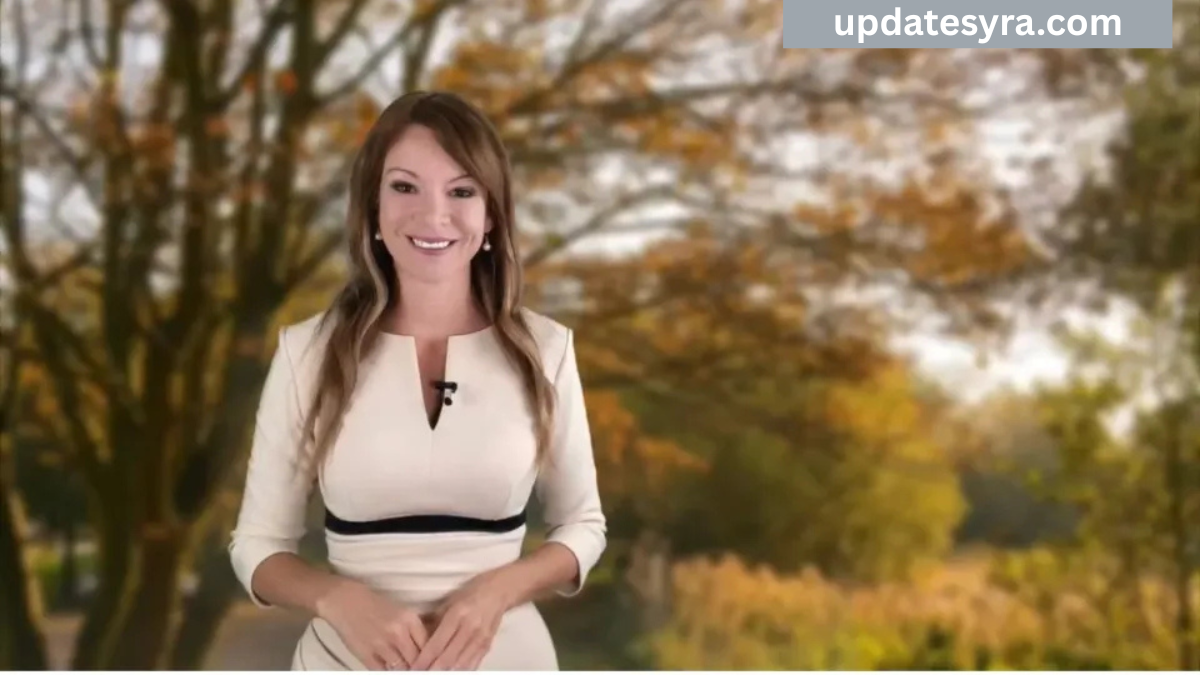
Elizabeth rizzini disability is a professional meteorologist and weather presenter best known for her work with the BBC. She has built a strong reputation for delivering accurate and clear weather forecasts to the public. Her role involves interpreting complex meteorological data and presenting it in a way that is easy for viewers to understand. Over the years, she has become a familiar face to audiences in the UK, particularly through BBC London broadcasts Elizabeth rizzini disability.
Her career reflects both scientific expertise and strong communication skills. Weather presenting is not simply about reading forecasts—it involves understanding atmospheric patterns, climate data, and scientific models. Elizabeth Rizzini’s work contributes to public awareness of daily weather conditions and severe weather alerts, which can be essential for safety and planning Elizabeth rizzini disability.
Beyond her professional role, she is also recognized for her polished on-screen presence and ability to engage audiences effectively. Like many broadcasters, she maintains a public image that is primarily tied to her career rather than her private life. This distinction is important when discussing topics such as personal health, as public visibility does not automatically imply public access to private details.
The keyword “Elizabeth Rizzini disability” appears to stem largely from online curiosity rather than confirmed information. In many cases, such search trends emerge when viewers misinterpret something they see on television or encounter speculative posts on social media platforms. A small observation or comment can quickly turn into a broader assumption when repeated without verification Elizabeth rizzini disability.
Social media plays a significant role in shaping these narratives. Platforms like Twitter, forums, and gossip websites often amplify unverified claims, especially when they involve public figures. Once a keyword begins trending, more users search it out of curiosity, further increasing its visibility—even if the original premise is inaccurate or misleading Elizabeth rizzini disability.
It is also common for audiences to project personal assumptions onto familiar faces seen on television regularly. Since weather presenters appear frequently, viewers may feel a sense of connection and begin to speculate about their lives outside of broadcasting. However, this does not mean that such speculation has any factual basis.
In the case of Elizabeth rizzini disability, there is no confirmed or credible evidence suggesting that she has a disability. Most of the search interest appears to be driven by misinformation loops rather than official statements or verified reporting. This highlights how easily online narratives can form without factual grounding.
When examining publicly available and credible sources, there is no indication that Elizabeth rizzini disability has disclosed any disability. Neither the BBC nor reputable media outlets have published any verified reports regarding such a condition. This is an important distinction, as health-related information about public figures is typically only shared when officially confirmed.
In journalism and public communication, accuracy is essential. Responsible reporting relies on direct statements, verified interviews, or official disclosures. In the absence of such evidence, any claims about personal medical conditions should be treated as speculation rather than fact.
The internet, however, does not always operate under these standards. Unverified blogs, social media posts, and clickbait articles can easily spread assumptions that appear credible at first glance. Over time, repeated exposure to such content can blur the line between truth and rumor for casual readers.
This is why it is important to approach sensitive search terms like “disability” with caution. Associating a public figure with a health condition without evidence can contribute to misinformation and unfairly shape public perception. In Elizabeth rizzini disability case, available information supports her identity as a professional weather presenter with no publicly confirmed health-related disclosures of this nature.
Media coverage and online platforms significantly influence how narratives about public figures develop. Headlines designed to attract attention may sometimes use ambiguous wording, which can be misinterpreted by readers. Over time, these small distortions can grow into widespread assumptions, especially when repeated across multiple platforms.
Public curiosity also plays a role in this process. People often feel connected to television personalities they see regularly, which can lead to increased interest in their personal lives. While curiosity is natural, it can become problematic when it leads to the spread of unverified claims. Social media accelerates this cycle by rewarding engagement, even when the underlying information is inaccurate.
Another factor is the tendency of online users to share content without verifying it. A post that appears interesting or emotional is often shared quickly, regardless of its authenticity. This creates a feedback loop where misinformation gains visibility simply because it is widely circulated.
Understanding this dynamic is essential for interpreting search trends like “Elizabeth Rizzini disability.” The popularity of a search term does not necessarily reflect factual reality—it often reflects collective curiosity, misunderstanding, or algorithm-driven amplification.
While online searches may focus on personal speculation, Elizabeth rizzini disability public identity is primarily defined by her professional achievements. As a BBC weather presenter, she plays an important role in delivering accurate meteorological information to millions of viewers. Her work requires scientific knowledge, communication skills, and the ability to present complex data in an accessible format.
Her career highlights the importance of meteorology in everyday life. Weather forecasting impacts transportation, safety planning, and daily decision-making. Presenters like Rizzini serve as a bridge between scientific data and public understanding, making their role both informative and essential.
Focusing on her professional contributions provides a more meaningful perspective than unverified personal speculation. It also reinforces the idea that public figures should be recognized for their work rather than assumptions about their private lives.
The search term “Elizabeth Rizzini disability” appears to be driven by online speculation rather than verified information. There is no credible evidence or official confirmation suggesting that she has a disability. Much of the discussion surrounding this topic originates from social media curiosity and misinformation rather than factual reporting.
In an age where digital content spreads rapidly, it is important to distinguish between confirmed facts and assumptions. Public figures like Elizabeth rizzini disability deserve to be represented accurately, with attention focused on their professional contributions rather than unverified personal claims.
Ultimately, responsible media consumption involves checking reliable sources, avoiding rumor-based narratives, and respecting personal privacy. By doing so, audiences can contribute to a more accurate and respectful online environment.